
Beyond the Noise: Modern B2B Lead Generation That Actually Works
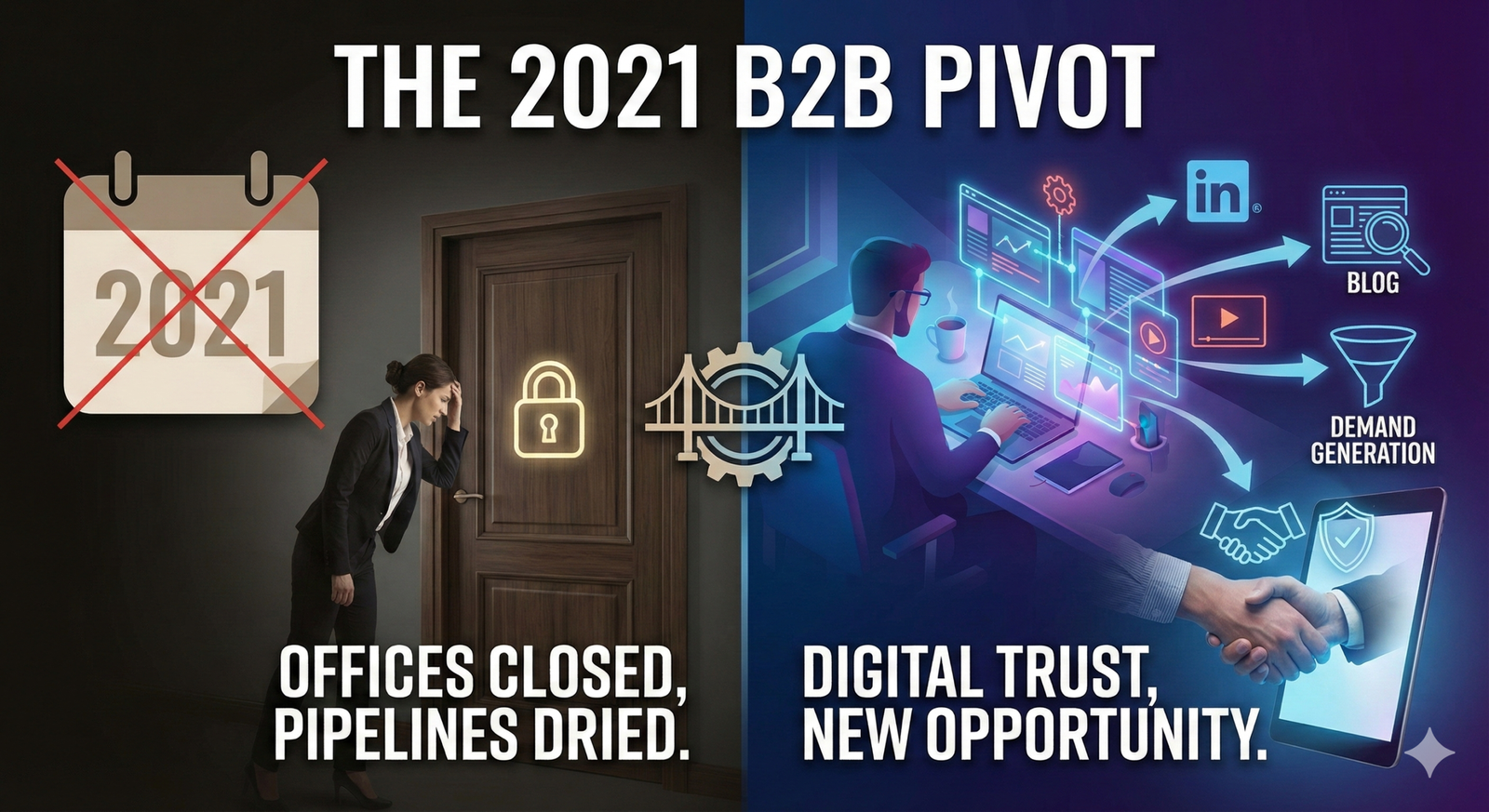
Let's be honest. The world of B2B lead generation can feel like shouting into a crowded room. You're trying everything—emails, ads, content—but the right clients just aren't listening. The pipeline looks thin, and sales calls feel like a struggle.
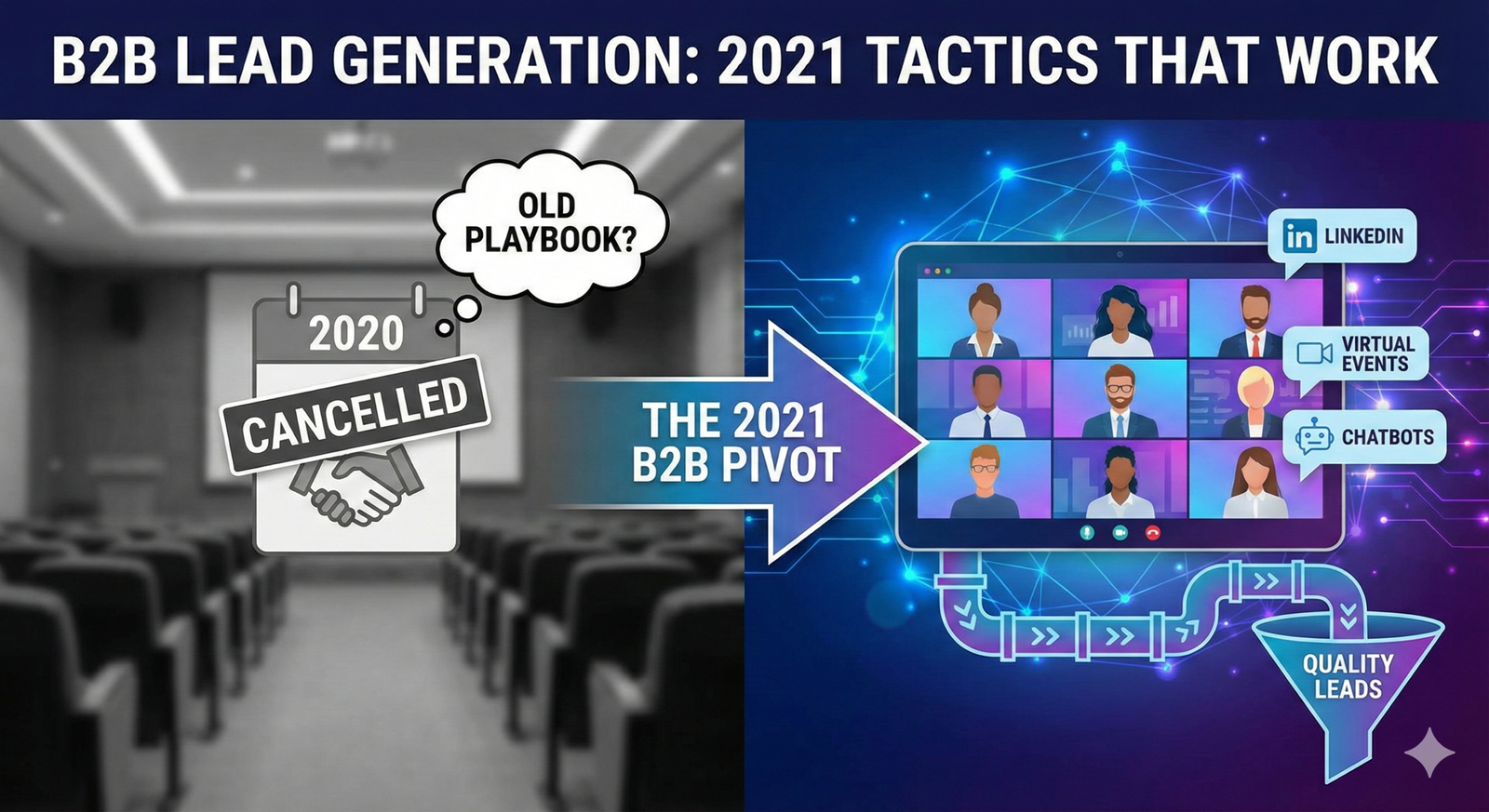
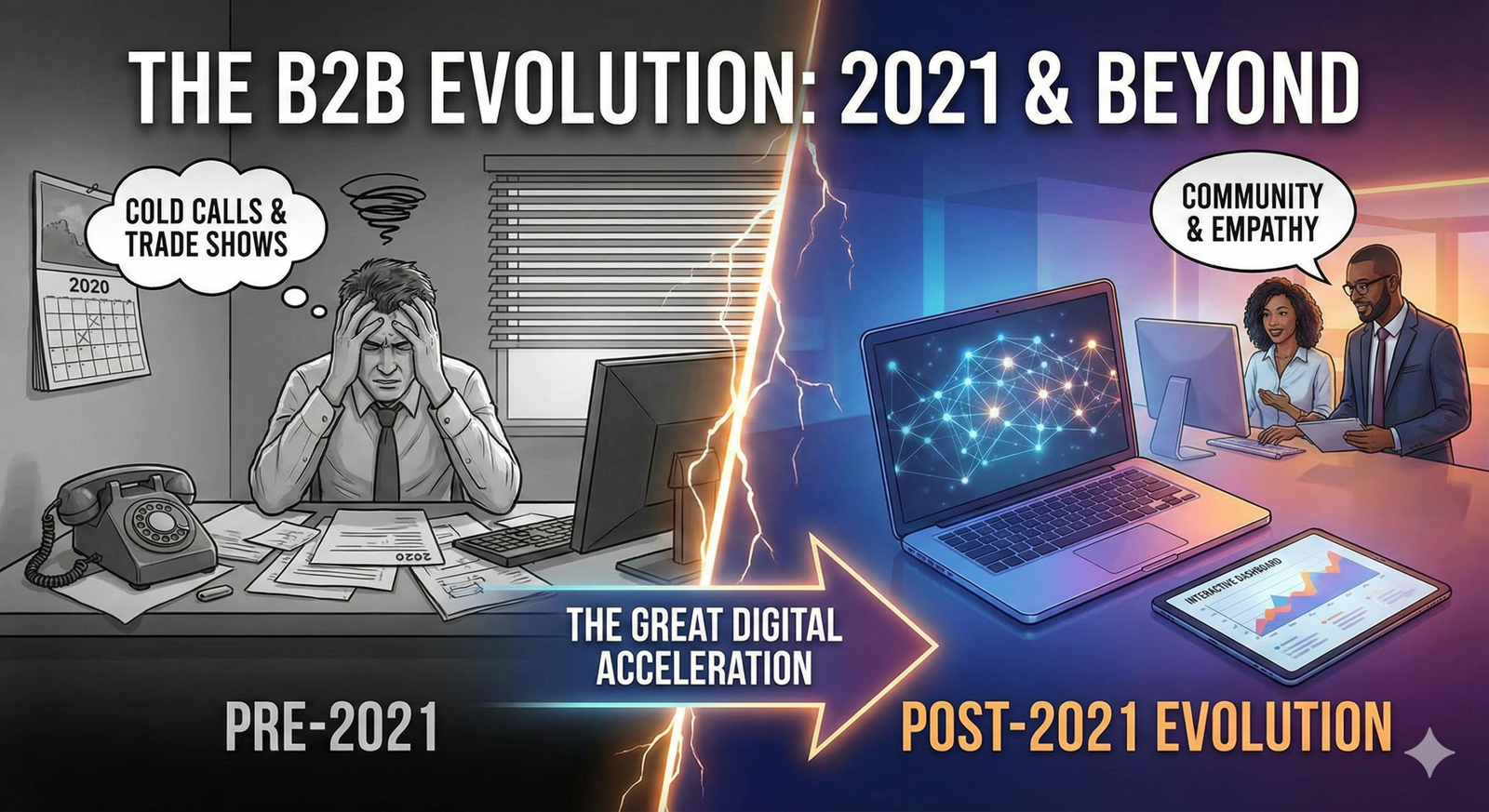
If this sounds familiar, you're not alone. The old playbook is broken. Today, generating B2B leads isn't about blasting messages; it's about starting meaningful conversations and creating genuine demand.
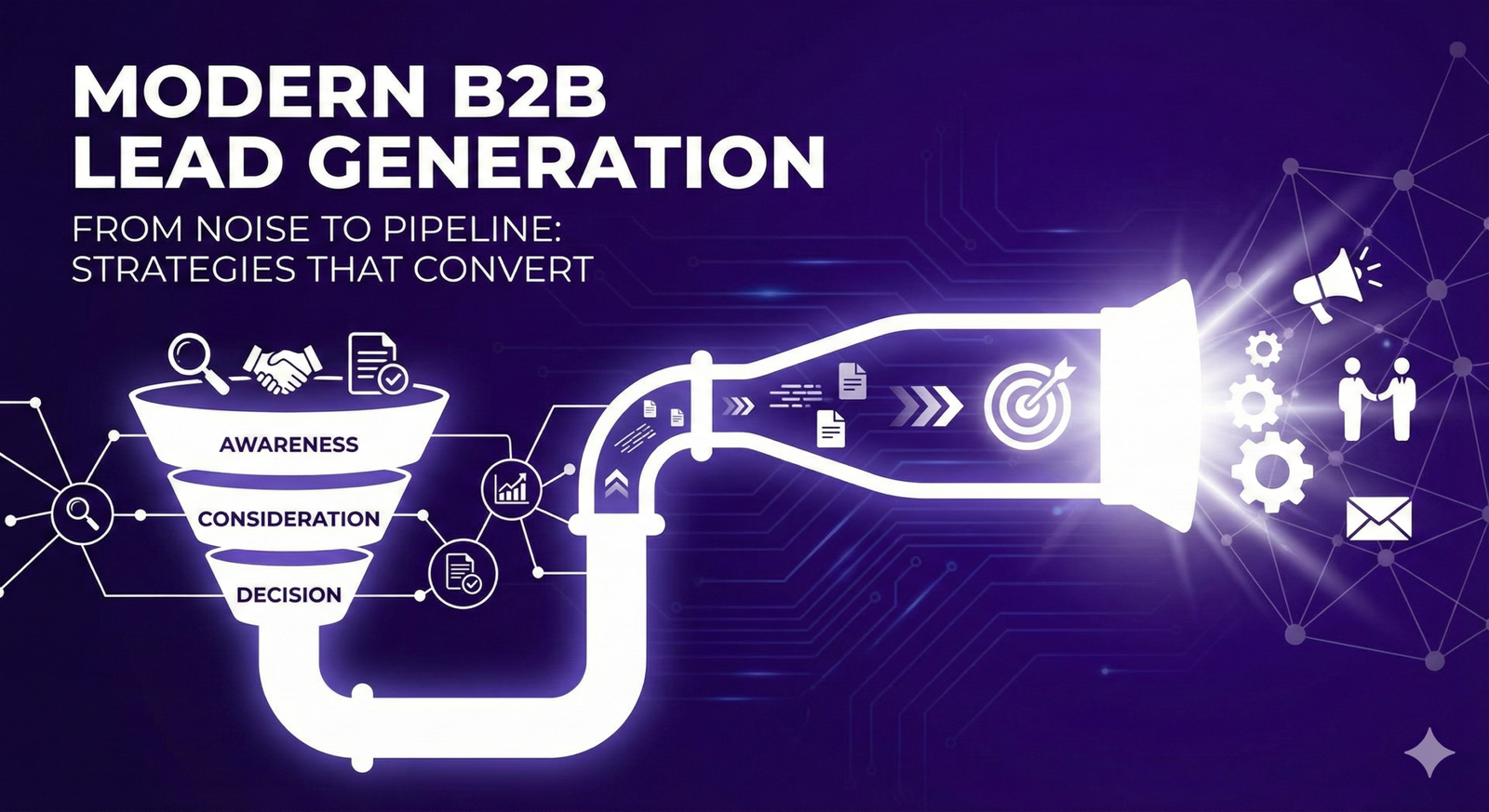
This article cuts through the noise. We'll explore practical, modern B2B lead and demand generation strategies that work, moving from empty buzzwords to a pipeline full of opportunities. Let's build a system that attracts, engages, and converts your ideal business customers.
The Modern B2B Buyer Has Changed
Forget the old image of a single decision-maker. Today's B2B purchase involves 6 to 10 people, each researching online long before they ever talk to sales. They read blogs, watch videos, and ask peers for advice. They're skeptical of promotional pitches but hungry for real solutions.
Your goal is no longer just to find leads; it's to become a trusted guide during their long journey. This shift makes demand generation—the art of creating awareness and interest—more crucial than ever. It's the foundation for all effective B2B lead generation.
Foundational Pillars for Any Strategy
Before diving into tactics, let's set the stage. Four non-negotiable elements must be in place for any strategy to succeed.
A Deeply Understood Ideal Customer Profile (ICP)
Who are you really trying to reach? Go beyond industry and company size. Define their daily challenges, their goals (what they shout about in meetings), and their fears (what keeps them up at night).
Don't just target "Marketing Heads." Target "Marketing Heads in mid-sized SaaS companies who are struggling to prove campaign ROI to their CFO." This clarity shapes every message you create.
A Value-Driven Message, Not a Sales Pitch
Your messaging must answer one question: "Why should they care?" Speak to their problem first, not your product's features.
"We offer AI-powered CRM."
"Stop losing deals in a long sales cycle. Here's how to identify hot leads ready to buy." This reframes you as a problem-solver.
A Commitment to Consistency
B2B trust isn't built overnight. A single webinar won't fill your pipeline. Success comes from showing up regularly with valuable insights—be it a weekly newsletter, consistent LinkedIn posts, or a steady stream of case studies.
Alignment Between Marketing & Sales
When marketing and sales teams work from different scripts, leads fall through the cracks. Both teams must agree on what a "qualified lead" looks like and have a clear process for handing them off. Regular sync-up meetings are essential.
Actionable B2B Lead and Demand Generation Strategies
With the foundation set, here are specific strategies to implement. Choose a few that fit your resources and audience.
- 1 Create "Sniper" Content, Not "Shotgun" Content
Stop creating content for everyone. Create hyper-specific content for each stage of your buyer's journey and each person in the buying committee.
- 2 Master LinkedIn (It's Your Goldmine)
For B2B, LinkedIn is the most powerful social platform. But posting company updates isn't enough.
Empower Your Leaders: Encourage your CEO, subject matter experts, and sales heads to build a personal brand. Their authentic commentary on industry trends attracts more engagement than any corporate page.
Engage, Don't Broadcast: Spend 30 minutes daily not posting, but commenting thoughtfully on posts by your ideal customers and industry influencers. Add value to their conversations.
- 3 Leverage Strategic Partnerships & Co-Marketing
You don't have to build an audience alone. Partner with companies that serve the same audience but are not your competitors.
Partnership Example:A web design agency can partner with a B2B copywriter and a SaaS SEO tool. Together, they can host a joint webinar titled "The Trifecta for High-Converting B2B Websites: Design, Copy, & SEO." Each partner promotes to their email list, tripling the reach and generating high-intent leads for all.
- 4 Implement a Conversational Lead Magnet
E-books and whitepapers are tired. Offer interactive tools that provide immediate, personalized value.
Think: A "Cloud Cost Savings Calculator" for a cloud services company, a "Website Lead Score Quiz" for a marketing agency, or a "Compliance Checklist Template" for a legal tech firm. These tools capture leads while demonstrating your expertise tangibly.
According to a report by Demand Gen Report, interactive content can generate 2x more conversions than passive content. - 5 Refine Your Email Outreach with Personalization
Cold email still works, but only if it's warm. Use personalization that goes beyond "{First Name}".
Bad:"I saw your company website and wanted to offer our services."
Good:"Hi [Name], I read your team's recent article on [specific topic] on your blog. It resonated, especially the point about [specific detail]. We've helped similar companies in the [their industry] space tackle [specific challenge]—often resulting in [quantifiable outcome]. Would you be open to a brief 15-minute chat next week to explore ideas?" This shows genuine research.
Measuring What Truly Matters
Don't just track vanity metrics like website visits. Focus on what drives business.
Your Next Move: From Reading to Results
Reading about strategies is one thing; implementing them is another. The biggest mistake you can make is trying all of this at once and getting overwhelmed.
Start with one.
Pick the strategy that made the most sense to you. Is it defining your ICP with crystal clarity this week? Is it launching one piece of "sniper" content for a stalled deal? Or is it setting up a single co-marketing coffee chat with a potential partner?
The best B2B pipelines are built consistently, one block at a time. The market is waiting for a guide, not a salesperson. Will you be the one to step up?
Share your biggest lead generation challenge with us, and we'll send you a personalized, step-by-step ideation sheet to tackle it next week.