
When B2B Lead Generation Became The Central Nervous System
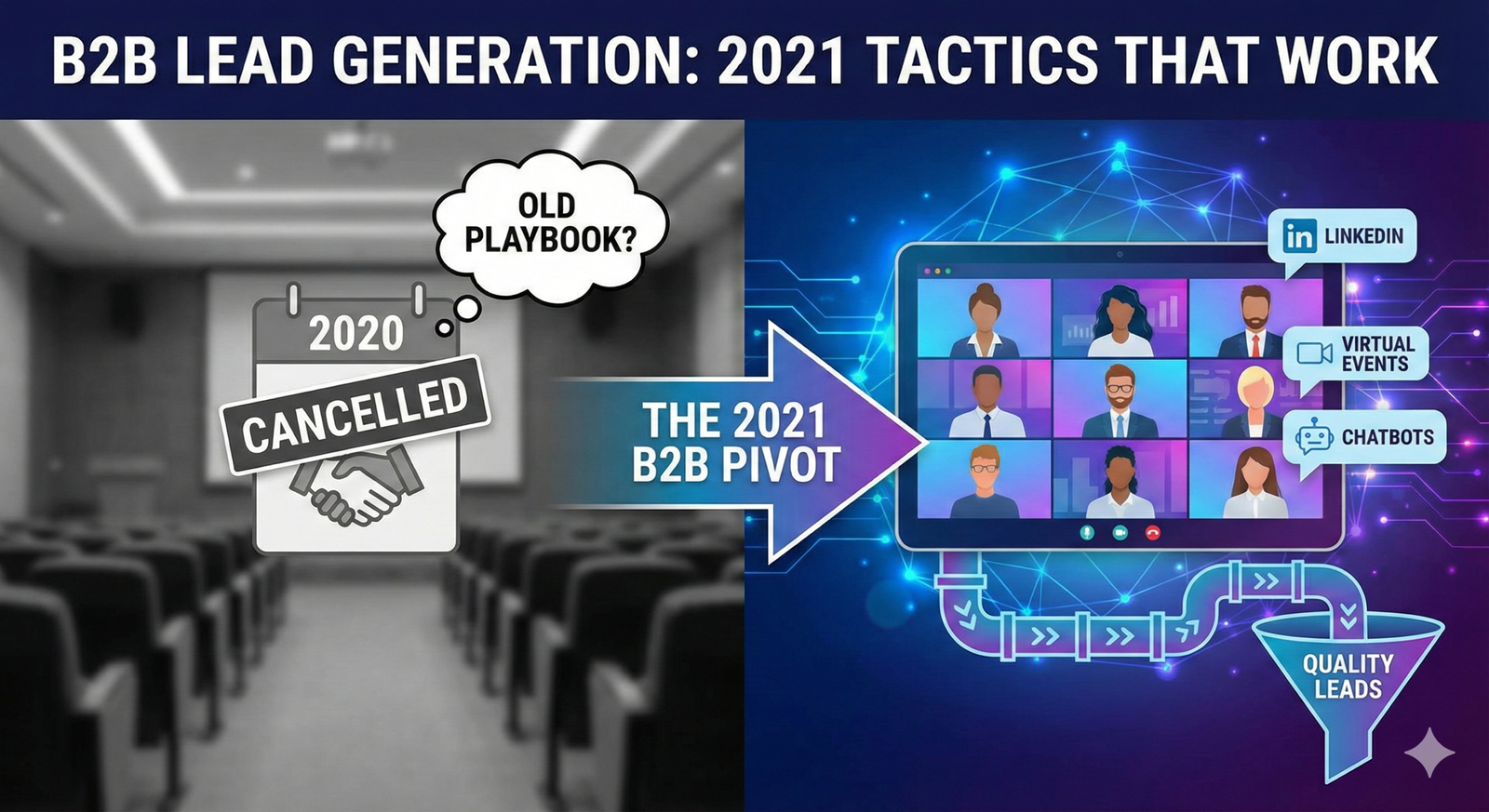
Offices were still echoes of what they once were. Conferences existed as grids of faces on a screen. That casual coffee chat after a meeting? Gone. In this new reality, something became painfully clear: if your business couldn't generate leads and create demand online, it was as if you didn't exist at all.
This wasn't just another marketing priority—it became the very lifeline for B2B companies. But why did B2B lead and demand generation matter so much in 2021? It wasn't about chasing a trend. It was about a fundamental, non-negotiable shift in how business gets done.
Let's break down the real reasons this function moved from the marketing department to the boardroom.
The Digital Door Slammed Shut (And Locked)
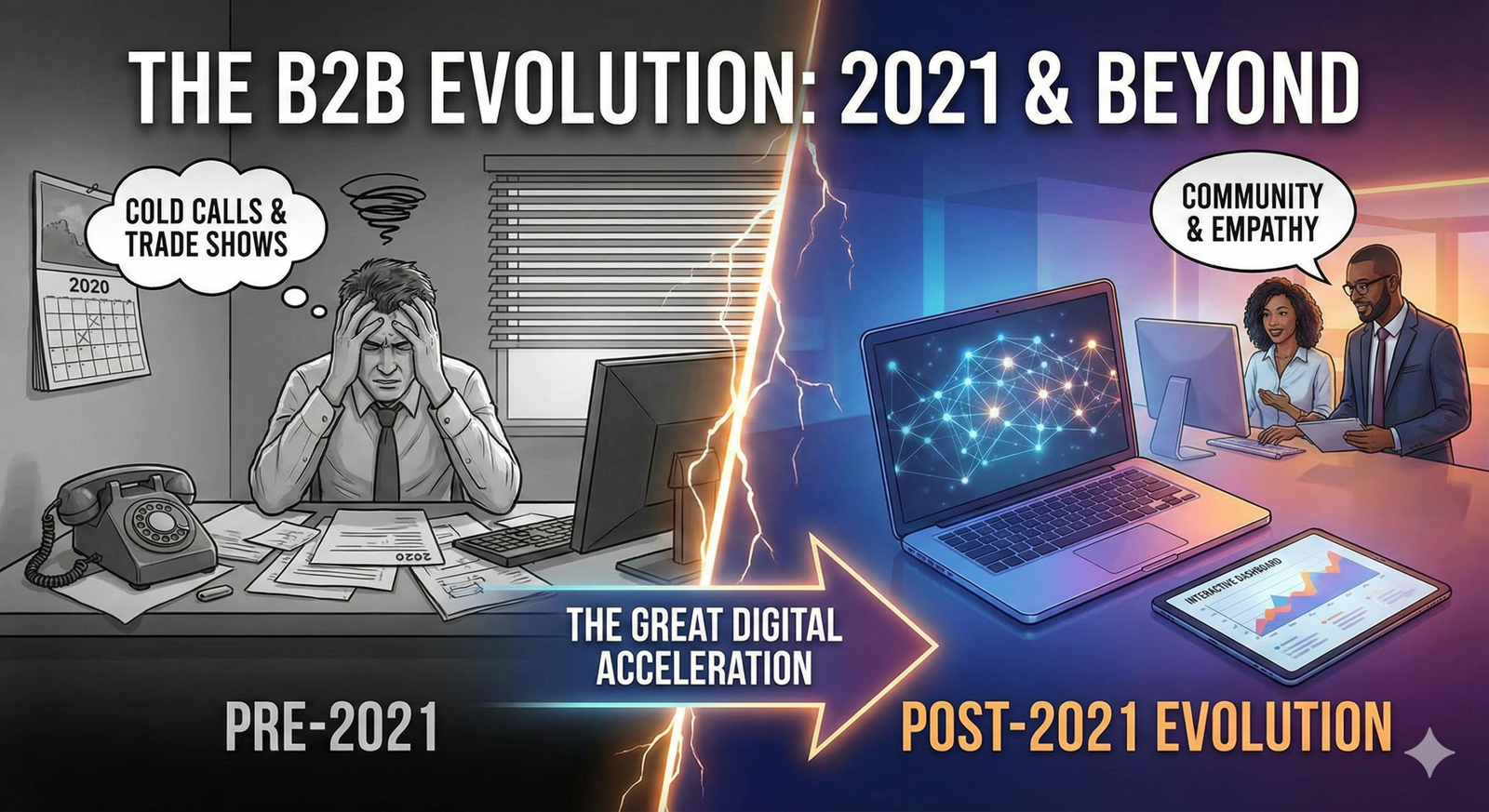
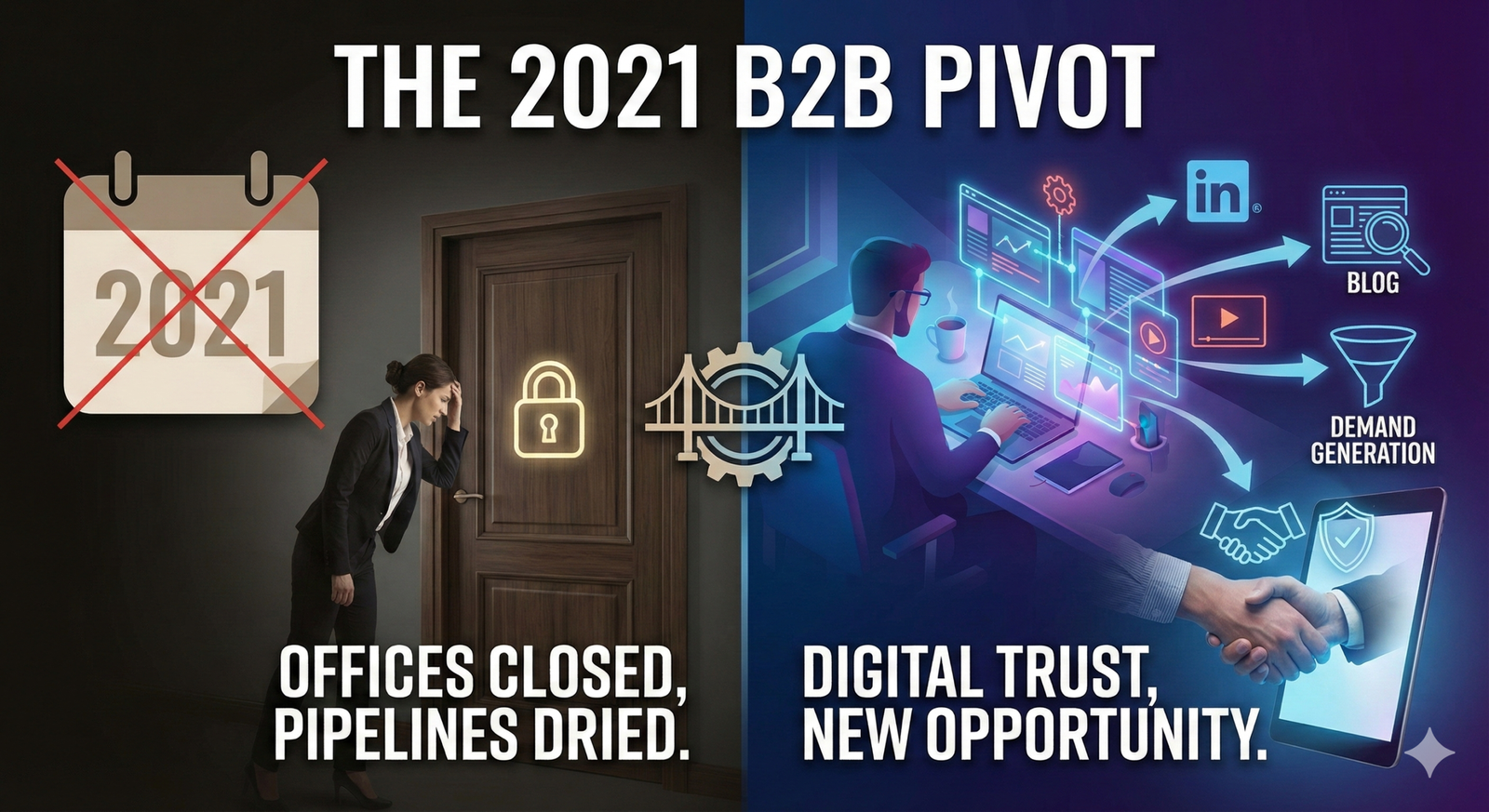
Before 2021, many B2B companies relied on a hybrid model. Sure, they had a website and ran some ads, but the real magic often happened in person. A sales rep could drop by a client's office. Relationships were cemented over lunches and handshakes at industry events.
Then, the physical world of business networking evaporated overnight. That dependable pipeline? It dried up. Suddenly, the only door into a prospect's company was a digital one—their LinkedIn profile, their search engine results, their email inbox.
If you didn't have a key to that digital door—a strong, strategic B2B lead generation engine—you were simply locked out. Your business became invisible to new buyers. This forced every company, from global enterprises to niche consultancies, to ask a hard question:
"How do we find new customers when we can't meet them?"
The Buyer's Journey Got Longer and More Solitary
Here's what changed for your customers. The B2B buying committee, already a group of 6-10 people, was now scattered across home offices. Their research process, which was always mostly digital, became entirely so.
Deep Digital Research
They weren't just reading a few reviews; they were diving deep into blogs, watching every relevant video, and asking for peer recommendations in private Slack groups—all before even considering talking to a salesperson.
The Silent Guide
This made demand generation—the art of creating awareness and interest—more critical than ever. You couldn't just wait for them to raise their hand. You had to be present in those silent, digital research moments.
Preemptive Engagement
You had to become a helpful guide before they knew they needed you, providing the insights and answers they were searching for. In 2021, if you weren't actively shaping demand, you were left waiting for a phone that might never ring.
Survival Mode Meets Strategic Opportunity
For Some: Pure Survival
Replacing lost revenue from paused accounts or cancelled contracts was urgent. A robust lead generation system wasn't a "growth lever"; it was a necessary replacement for a broken revenue stream.
This was about keeping the lights on when traditional channels had disappeared overnight.
For Others: Strategic Conquest
But for the agile and forward-looking, 2021 presented a massive strategic opportunity. While competitors were frozen, waiting for the "old normal" to return, savvy companies leaned into the change.
They invested in content, SEO, and digital relationship-building. They captured market attention and trust while others were silent.
This period created a clear divide: companies that saw lead generation as a cost versus those that saw it as an investment in future market leadership. The latter group didn't just survive 2021; they positioned themselves to dominate in the years that followed.
Trust Had to Be Built Through a Screen
This might be the most important reason. B2B sales, especially for complex or high-value services, are built on trust. Previously, a lot of that trust was built through personal rapport and face-to-face interactions.
In 2021, trust had to be built entirely differently:
Consistent, Valuable Content
Regular insights, analysis, and expertise shared through blogs, webinars, and reports that proved your deep understanding of your customers' challenges.
Social Proof & Validation
Detailed case studies, video testimonials, and peer reviews that demonstrated real results for clients facing similar challenges.
Transparent Communication
Helpful, clear, and consistent messaging across email, social media, and digital channels that built credibility through reliability.
Your lead generation efforts became your primary trust-building channel. Every piece of content, every webinar, every personalized email was a brick in that foundation of credibility. Without a systematic way to generate and nurture leads, you had no pathway to build the trust required to close a deal.
The Takeaway: A Permanent Elevation
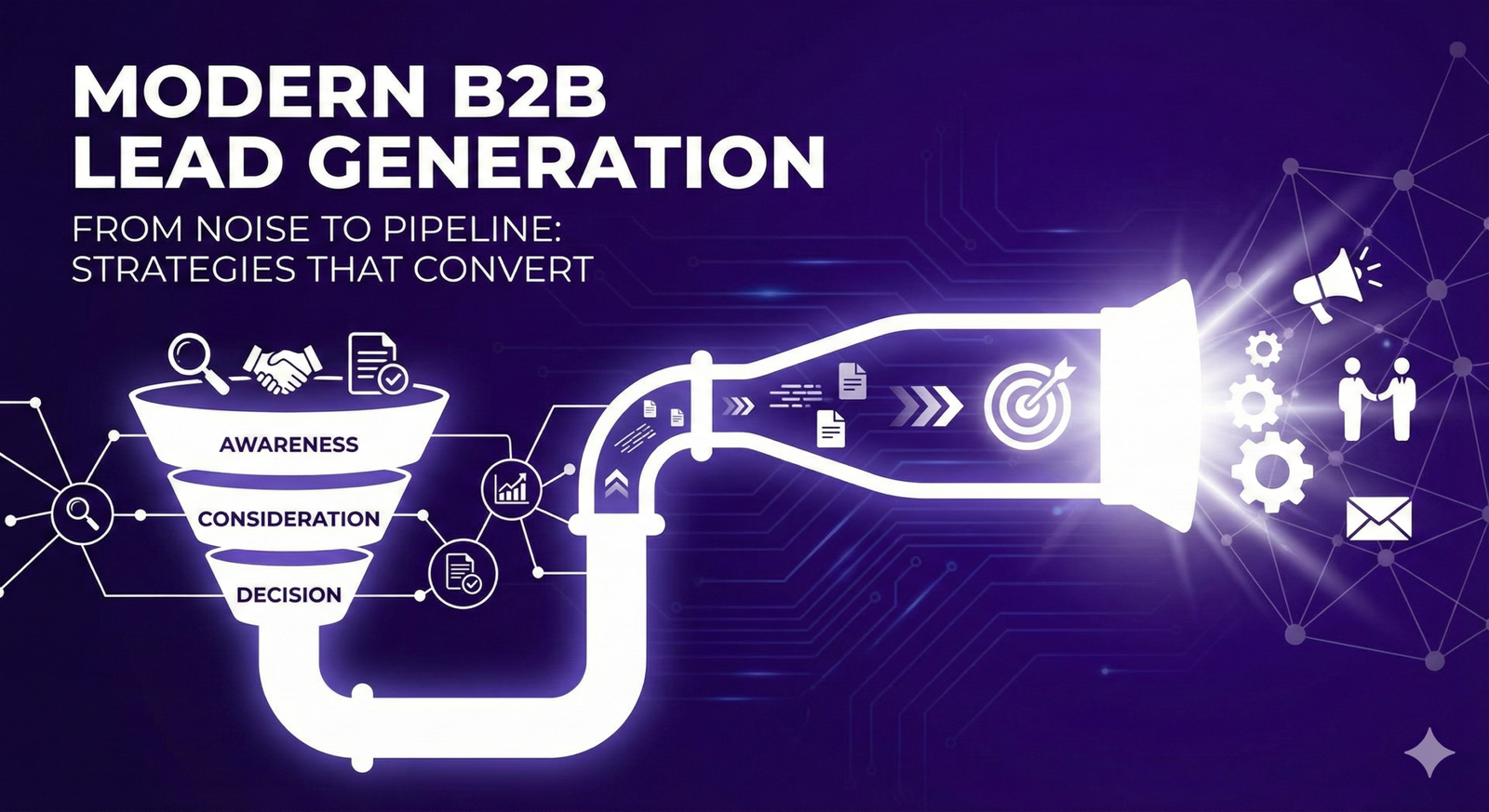
So, why did it matter? Because in 2021, B2B lead and demand generation stopped being a marketing function and started being the central nervous system of business development.
It was the answer to the digital door, the guide for the solitary buyer, the engine for survival, and the new bridge for building trust.
The companies that understood this didn't just "get through" 2021. They adopted a new, more resilient, and more effective way of operating. They realized that even when the world reopened, buyers would never fully go back to their old habits. The digital-first journey was here to stay.
Still Feeling the 2021 Ripple Effects in Your Pipeline?
The digital transformation of 2021 created permanent shifts in how B2B trust is built. If you're still struggling to establish credibility in a digital-first world, you're not alone.
Let's bridge that gap. Share with us one area where building digital trust feels challenging:
Tailored specifically for your audience and challenge area